
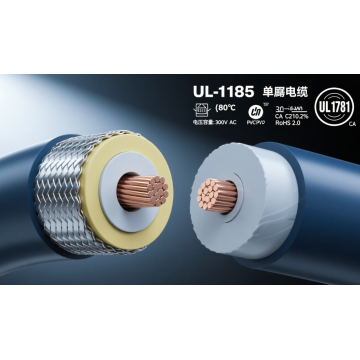
Single-core Shielded Cable
(Total 1 Products)-
 Brand:szxyqMin. Order:1Model No:002139Transportation:Ocean,Land,Air,ExpressPackaging:boxesSupply Ability:1 million per monthPlace of Origin:chinaProductivity:1 million per monthThis UL-Cable that complies with the UL-1185 standard has a rated temperature of 80℃ and a rated voltage of 300V AC. It is suitable for low-voltage electrical systems such as household appliances, office equipment, communication equipment, or small...
A Single-core Shielded Cable is basically a precision cable built to handle radio-frequency interference (RFI) and electromagnetic interference (EMI). Its structure is pretty simple: one conductor in the center, an insulating layer around it, and then a metal shield on the outside. That shield—usually braided or spiral-wrapped tinned copper or bare copper—works like a small Faraday cage. It blocks outside noise from getting in and also keeps the internal signal from leaking out and bothering other devices. Because of this, the cable can deliver stable, accurate signals even in busy environments full of electrical noise, which is why it’s often used when reliability really matters.
How well the cable performs depends a lot on its insulation and how effective the shielding is. The amount of shielding coverage directly affects how much interference the cable can filter out. The insulation, often made from PVC or XLPE, provides solid electrical protection while still keeping the cable flexible enough to work with. Thanks to these features, single-core shielded cables show up in all kinds of sensitive electronics—computer data lines, audio gear, medical equipment, industrial control systems, and sensor wiring. In many devices, it works like a “nerve line,” not just carrying power but making sure even very weak signals can travel long distances without getting messed up by outside noise.
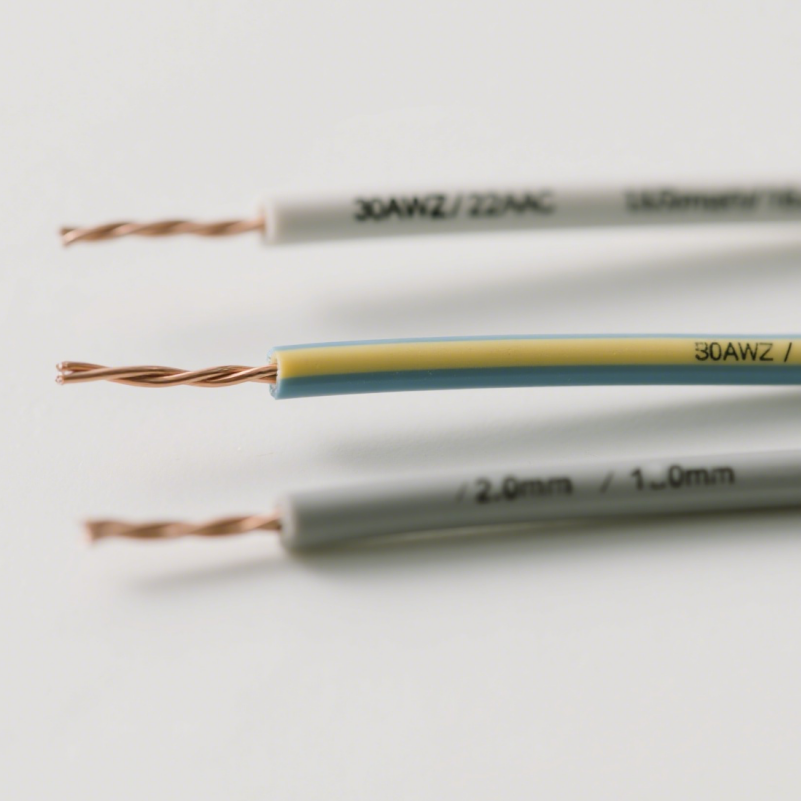
Single-core shielded cable
Single-core shielded cable is widely used in various electronic devices and systems requiring signal transmission and power supply. It consists of a single conductor and a shielding layer. The shielding layer effectively reduces the impact of external electromagnetic interference (EMI) on signal transmission, ensuring signal stability and clarity. Single-core shielded cable has excellent anti-interference capabilities and is suitable for demanding industrial, communication, medical, and home appliance applications.
Product Features
High-Quality Conductors
Tinned copper helps prevent oxidation and prolongs the cable's lifespan, making it suitable for long-term use in challenging environments.
Excellent Shielding Performance
For applications where high signal integrity is crucial, single-core shielded cables offer an ideal solution for electromagnetic compatibility (EMC).
Variety of Insulation Materials
PVC, PE, TPE, and XLPE provide excellent resistance to high temperatures, chemical corrosion, and aging, making them suitable for various working environments.
High-Temperature and High-Voltage Resistance
these cables can be selected to meet specific temperature and voltage requirements, ensuring stable operation in high-temperature and high-voltage conditions.

Product idea
Please listen to us
szxyq's single-core shielded cable adhere to the concept of "Seamless Connection, Empowering Life". We understand that in the era of intelligent interconnection, stable and reliable device connections are the foundation of efficient life and work. From research and design to production and manufacturing, we always focus on user needs and continuously pursue technological innovation and excellent quality. We are committed to providing users with comprehensive and convenient device connection solutions through a rich product line, reliable performance, and user-friendly design, becoming a trusted partner for users in smart life and promoting the development of convenient device interconnection.
original concept
Hot-Sale Product
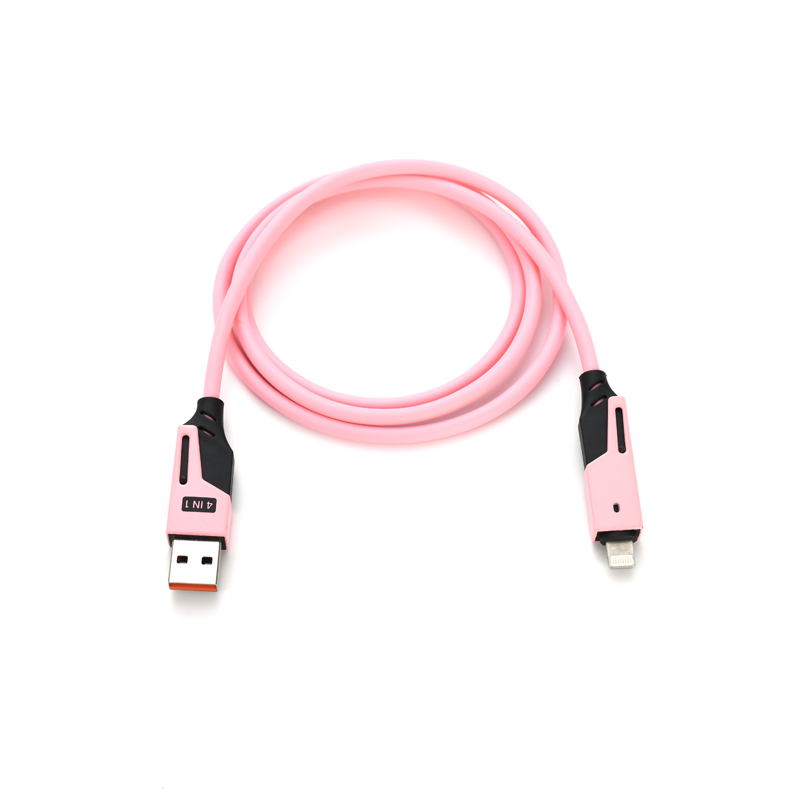
Xometry Instant Engine flower
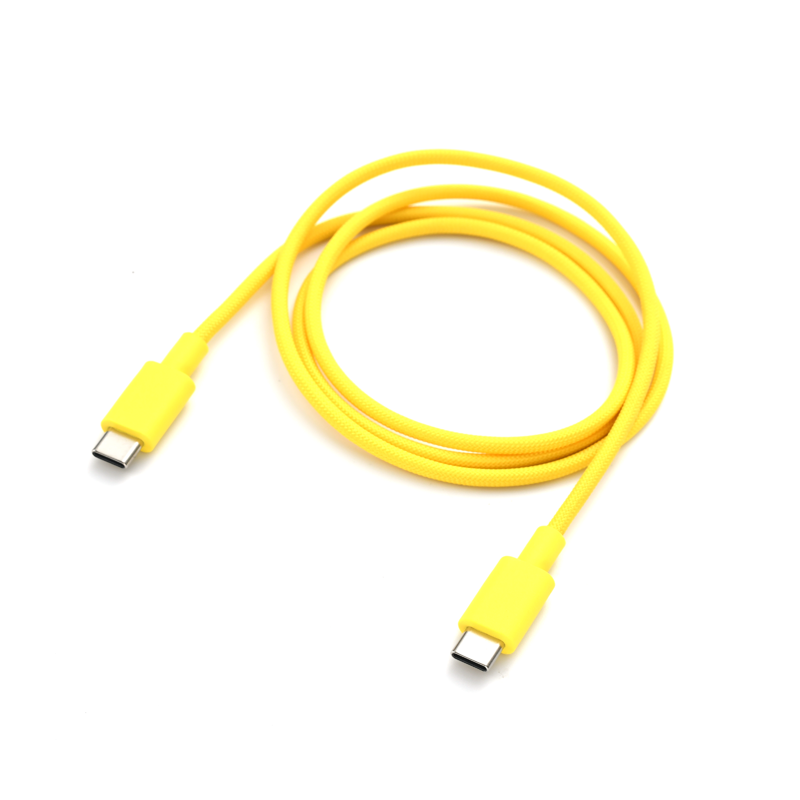
Xometry Instant Engine flower
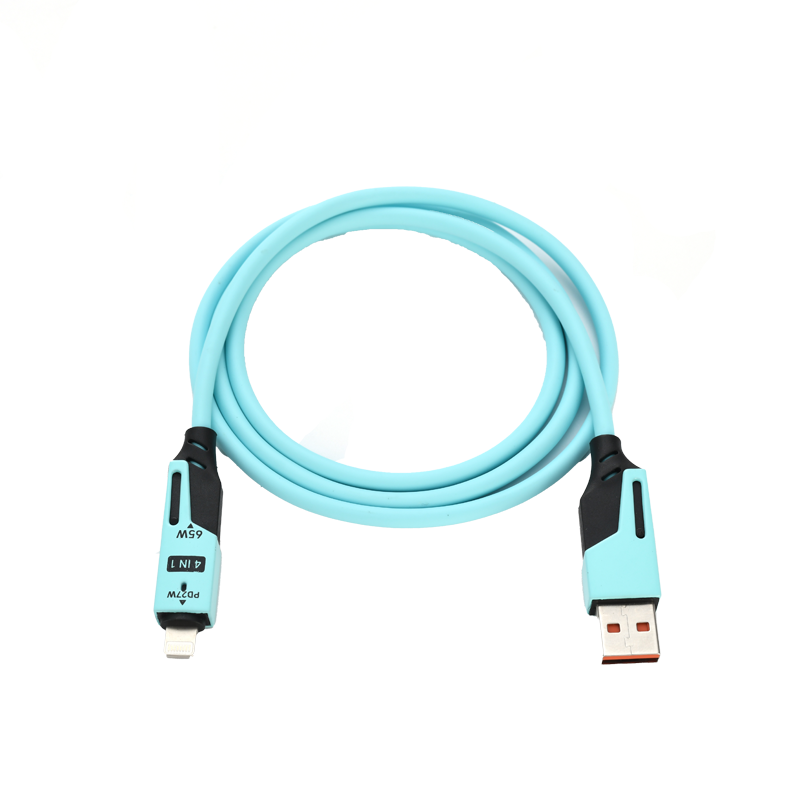
Xometry Instant Engine flower
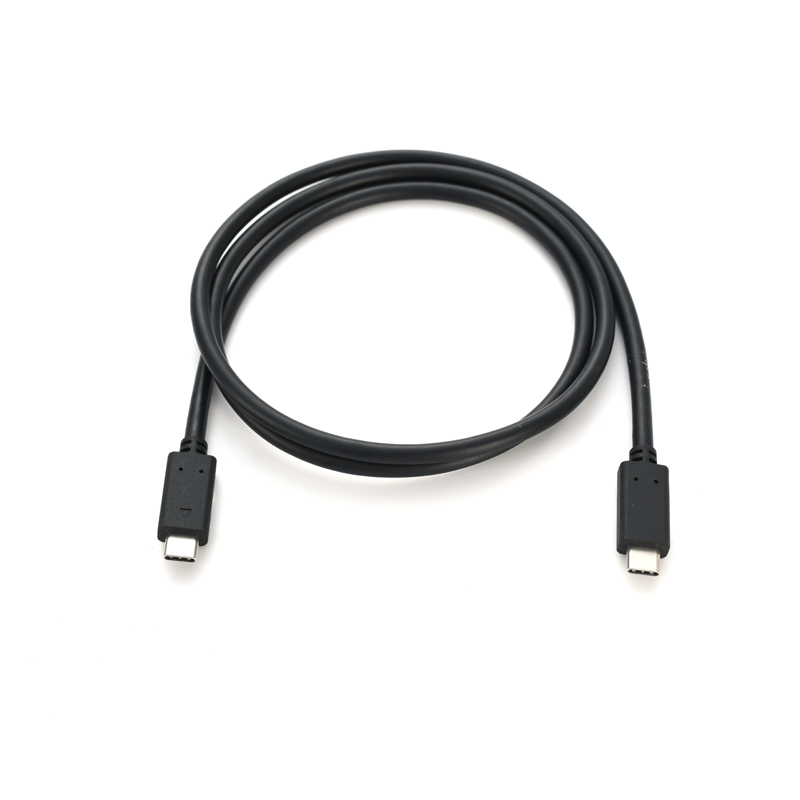
Xometry Instant Engine flower
FAQ

Why is shielding important in single-core cables?
Shielding in single-core cables is critical for reducing external electromagnetic interference (EMI) and radio-frequency interference (RFI). These interferences can distort or degrade the quality of the transmitted signal, especially in high-precision or high-frequency applications. The shielding layer ensures that signals remain clean and stable, which is particularly important in sensitive systems like communication equipment, medical devices, and industrial controls.
Can single-core shielded cables handle high temperatures?
Yes, most single-core shielded cables in the UL classification are designed to withstand temperatures ranging from 60°C to 105°C, depending on the specific materials used. Cables with TPE or XLPE insulation are ideal for higher-temperature applications. If higher temperature resistance is required, users should check the specific temperature rating of the cable.
Are single-core shielded cables suitable for outdoor use?
Single-core shielded cables can be used outdoors, but it depends on the insulation and sheath materials. If the cable is exposed to weather elements, it should be made with UV-resistant and weatherproof materials like TPE or XLPE. Always check the specifications to ensure the cable is rated for outdoor or harsh environmental conditions.
What are the voltage ratings of single-core shielded cables?
Single-core shielded cables come with various voltage ratings, commonly ranging from 30V to 600V or higher, depending on the specific cable design and application requirements. Be sure to select a cable with the appropriate voltage rating to match the power needs of your system.